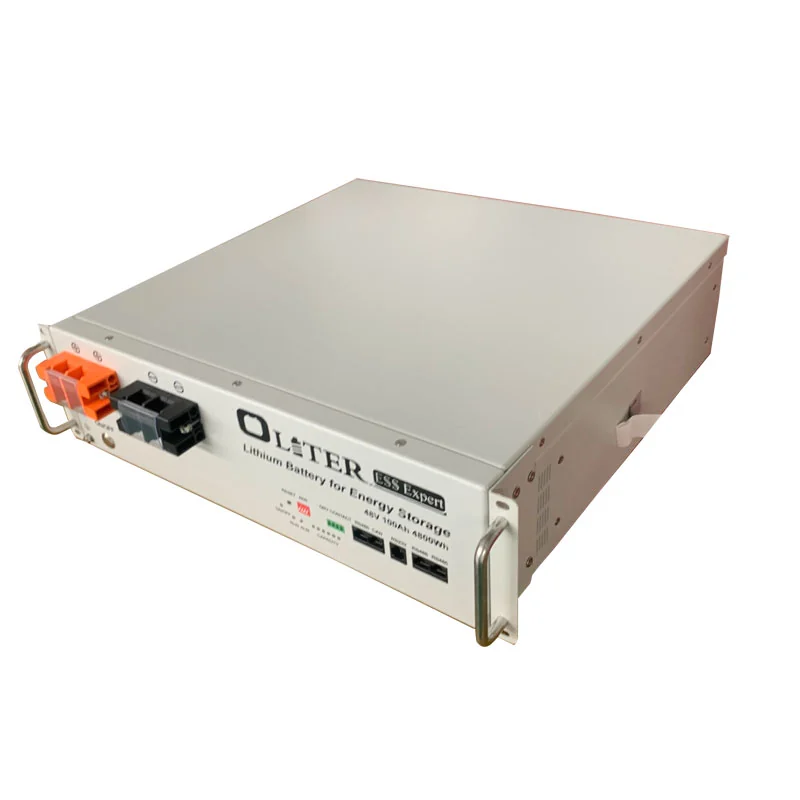
Identify every charging source
List the charger, inverter or controller references that may charge the proposed battery. Explain when each source operates and whether they can operate at the same time. Provide the relevant manuals and any existing settings record. Ask the system designer which charging conditions need review. A purchase brief should show the full charging arrangement, including equipment supplied by other parties, so the battery supplier can answer a defined interface question.
Request applicable charging instructions
Ask for the instructions corresponding to the exact model being offered. Record the document issue and request clarification where a general sheet covers several products. Which settings must the equipment party review, and which values are fixed by the connected charger? Keep every reply tied to the proposed configuration. Do not borrow charging information from a product that has a similar name or from an older installation without asking whether it applies.
Discuss operating conditions with the reviewer
Describe the conditions at the battery location and the duty the project intends to perform. Ask the supplier what environmental information is needed to review the charging arrangement. If the installation has seasonal variations, include the conditions your designer wants considered. Request a project-specific answer to any setting question affected by those conditions. Keep the operating brief separate from the product limits that will be supplied in the applicable instructions.
Define restoration after an interruption
Explain what happens when charging power returns while the supported equipment continues to operate. Ask the charger and battery parties which sequence they propose and what information is needed to review it. If the project has repeated interruptions or limited charging periods, describe those as duty inputs. Ask who will assess the complete sequence. A charging checklist should capture the intended use rather than focus only on a single setting copied into an order.
Assign setting and commissioning responsibilities
Identify who will enter settings, who will verify them and where the accepted record will be stored. Ask the equipment party what checks it requires before operation. Include any control or communication dependency in the review. If the battery supplier is providing only equipment, identify the separate commissioning party. Keep these responsibilities explicit in the scope discussion so procurement does not assume that configuration work automatically accompanies the battery shipment.
Control changes after technical acceptance
Attach the battery instructions, charger references and approved setting record to the purchase package. Ask the reviewer to reassess any substitution that affects those documents. If equipment software or settings change later, request confirmation of the relevant interface before relying on the original review. Preserve the final configuration for maintenance personnel. A current, accessible setting record gives a future replacement inquiry a clearer starting point than an old voltage note without a product reference.
Battery Charging Specification Checklist: documents to discuss
| Ask about | Request with your inquiry |
|---|---|
| Can I reuse the existing charger settings? | Provide the existing settings and charger documentation for review against the proposed battery. Ask the responsible equipment parties which settings apply and who will verify them. Use their configuration-specific instructions rather than assuming that a replacement with a familiar label needs the same charging arrangement. |
| What if more than one source can charge the battery? | Identify all sources and describe how the system controls them. Ask the designer and battery supplier which operating combinations must be assessed. Keep the accepted sequence and settings linked to every relevant equipment reference so no source remains outside the charging review. |
| What should be kept after commissioning? | Retain the offered battery identification, applicable instructions, connected equipment references and confirmed settings. Record who checked the arrangement and any unresolved item assigned for follow-up. Ask the maintenance team to use that final configuration record when requesting replacements or reviewing later changes to the charging equipment. |