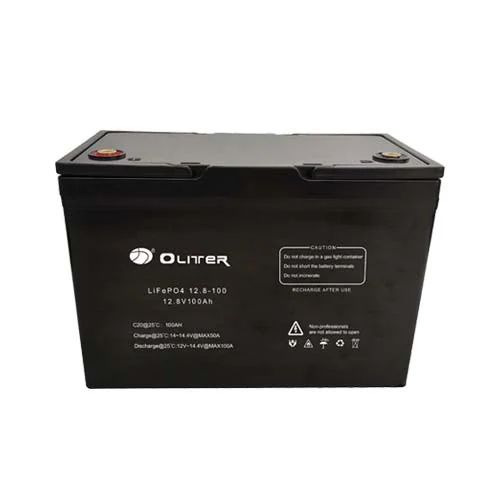
Identify the capacity expression
Copy the capacity entry with its unit and accompanying notes. Ask the supplier which conditions define the stated value for the offered model. If the quotation gives only a product name, request the applicable data sheet before making a comparison. Keep the capacity definition visible beside the figure. A comparison spreadsheet should preserve the information your engineer needs to understand what each entry represents rather than reduce every proposal to one unqualified number.
Connect capacity to the intended duty
Describe the load schedule and the reserve objective your project wants reviewed. Ask the engineer which discharge information is relevant to that duty. If the load changes during operation, provide the sequence rather than only its average. Identify any conditions the reviewer has not yet approved. A capacity discussion becomes useful when the proposed product is assessed against a defined task and the buyer can see which operating assumptions remain unresolved.
Compare the complete battery arrangement
Show how many units and what bank arrangement each offer proposes. Ask the supplier to identify which figures refer to one battery and which describe the complete proposed installation. Where arrangements differ, request an explanation of the differences for technical review. Keep connection accessories and required controls visible. A buyer should be able to distinguish a larger individual unit from a differently configured bank before treating the proposals as competing ways to meet one requirement.
Review the accompanying voltage information
Record the voltage information and operating limits that your equipment reviewer requires. Ask how the capacity data should be interpreted for the proposed system arrangement. If proposals use different configurations, have the responsible engineer state the basis for comparison. Avoid making an equivalence claim from capacity labels alone. The inquiry should bring the capacity, equipment interface and operating duty into one review without inventing a conversion rule that the project has not adopted.
Ask about document conditions and revisions
Request the current data sheet for each offered configuration and identify the conditions attached to its capacity entry. Ask the supplier to explain any discrepancy between the quotation and the technical document. If a historical sheet is included, confirm whether it applies to the item being offered now. Keep written clarifications beside the comparison table. This gives reviewers a traceable basis for accepting or rejecting an apparent difference between two proposals.
Make the decision criteria explicit
Ask the project team to state what constitutes an acceptable capacity assessment for the intended installation. Record unresolved charging, mounting or controls questions separately so they cannot disappear behind a favorable capacity figure. Compare commercial terms only after the technical scope is clear. Keep the accepted configuration, duty description and document references with the order. If the reserve objective changes, return the capacity comparison for review using the revised requirement.
Battery Capacity Comparison Guide: documents to discuss
| Ask about | Request with your inquiry |
|---|---|
| Can two equal Ah labels be treated as equivalent? | Ask the technical reviewer to compare their documented measurement basis, voltage information and proposed installation arrangement against your duty. Preserve the relevant conditions from each data sheet. Use the review outcome for procurement rather than assuming that matching label figures resolve all the selection questions. |
| What should accompany a capacity target in my inquiry? | Include the supported equipment, load schedule, reserve objective and any bank arrangement already specified by the project. Ask which additional discharge information is needed. Make clear whether the target is an approved design requirement or an initial request for options that the engineer still needs to assess. |
| How should I record an alternative bank arrangement? | Give the alternative its own configuration entry and request the supplier's complete scope. Include unit count, document references and the proposed connection arrangement. Have the engineer compare it against the same duty description before purchasing treats the alternative as another acceptable way to meet the project requirement. |